


Sustainable and Net-Zero Housing with ICF in Ontario
With the ever-increasing interest of sustainability amongst homeowners and developers, net-zero homes are taking on a very positive trend in Ontario. Insulated Concrete Form (ICF) building is one of the building methods that are significantly contributing to this change. Icf Ontario construction is contributing to the redefinition of the modern home design to achieve both comfort and climate objectives with its high-energy performance, durability, and environmental advantages.
Why ICF is the Ideal in Sustainable Housing
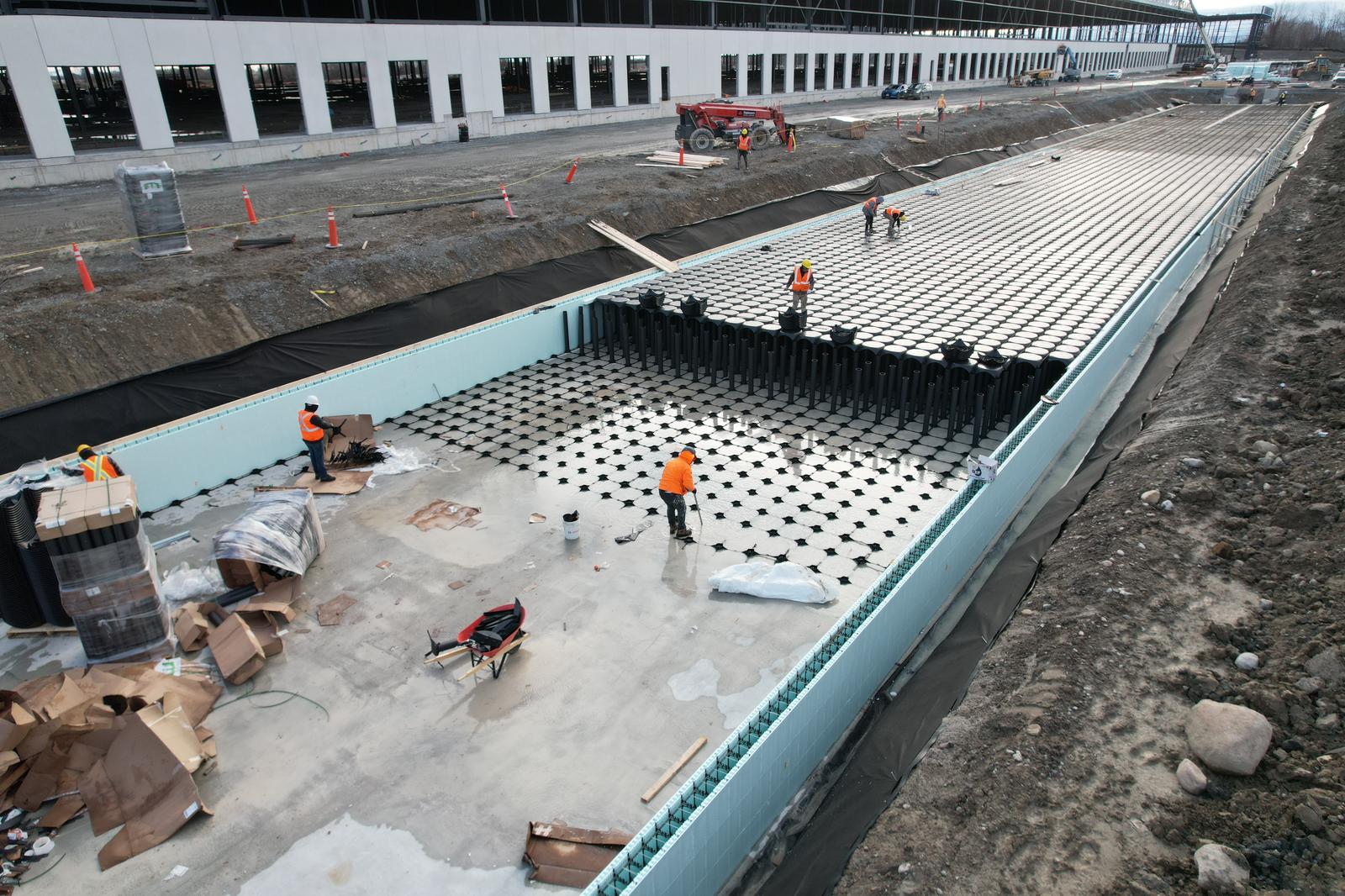
The Insulated Concrete Forms are a system of insulated walls that have foam panels attached to one another. These panels are filled with reinforced concrete and form a complete continuous insulated wall. The design is much better in terms of heat transfer, air leakage, and thermal bridging than the traditional wood framing. This uniform insulation is used in Ontario, which has a diverse climate that includes cold winters and hot summers that have ensured that the temperatures indoors are not lost to large extents. Due to this, icf Ontario buildings need minimal heating and cooling energy all year round.
Green Power and Net-Zero Performance
Net-zero homes are designed to generate as much energy as they use throughout a year, which can be renewable energy storage such as solar panels. On its part ICF construction helps in achieving this aim by reducing the energy requirements of a home significantly at the very beginning. The airtight building envelope formed by ICF walls reduces drafts and heat loss, which enables the mechanical systems to be more efficient. In combination with high-performance windows, heat recovery ventilators and renewable energy sources, icf Ontario homes can be more easily turned into a net-zero or near-net-zero building.
Long-term Sustainability and Environmental Impact
Sustainability is more than saving of energy. ICF houses have long term environmental advantages due to the material wasting reduction and increase in lifespan of buildings. The longevity of concrete reduces the amount of repairs and replacements which reduces the amount of resource usage in decades. Moreover, a significant number of ICF products are made of recyclable material and reduce the amount of construction waste at the site. Icf Ontario construction is a future minded and responsible solution to homeowners who are concerned with lowering their carbon footprint.
Comfort, Health and Indoor Air Quality
Sustainable housing is also relating to healthier living. ICFs are very soundproof and exclude moisture intrusion, mold and pests. ICF construction is airtight, which means that ventilation systems can be better controlled and the quality of the indoor air is better, though it should not lead to a loss of energy. In Ontario, a changing climate offers increased comfort to homeowners with reduced noise, consistent temperatures, as well as enhanced comfort in all seasons.
Monetary Rewards and Long-Term Worth
Although the building of ICFs might involve a higher construction cost compared to the traditional way of construction, savings in the long run might supersede the initial cost. Icf Ontario homes are long-term economically lucrative owing to reduced energy charges, reduced upkeep expenses and even possible incentives on green buildings. Moreover, energy-conserving and net-zero-ready houses are also more likely to sell better because all consumers are more environmentally conscious.
Conclusion
Sustainable housing and net-zero housing are no longer a fringe idea, it is becoming the norm of responsible homebuilding in Ontario. Icf Ontario construction promises a viable course towards healthier, greener and more sustainable homes because of better insulation, energy efficiency, durability and environmental friendliness. With the increasing demand of environmentally friendly living, ICF still remains a brilliant investment to the future of housing in Ontario.